


An academic project in the area of Linguistic Landscapes
Berlin-Warsaw: What do the linguistic landscapes of the metropolis communicate?
Berlin-Warsaw: What do the linguistic landscapes of the metropolis communicate?
Berlin-Warschau: Was kommunizieren die Sprachlandschaften der Metropole?
Berlin-Warszawa: Co komunikują krajobrazy językowe metropolii?
The project is sponsored by Polsko-Niemiecka Fundacja na rzecz Nauki/ Deutsch-Polnische Wissenschaftsstiftung/ Polish-German Foundation for Science and Fundacja im. Johanna Gottfrieda Herdera/ the Johanna Gottfried Herder Foundation.
Project time frames: 01.09.2025 – 31.03.2027
Project number: 200-2025-00980
Applicant institution: University of Gdańsk, Poland
Parter institution: University of Regensburg, Germany
Project summary: The project is strictly academic in nature and refers to research in the field of linguistic landscapes (Shohamy, Gorter, 2009). The subject of this research, at the intersection of sociolinguistics, ecolinguistics, social psychology, geography, and media studies, is all linguistic and non-linguistic signs inscribed in the landscape. These are often a consequence of language policy, the organization of social life, and beliefs and attitudes. Particular signs of public space include graffiti and transgressive discourse (inscriptions that comment on other official signs), as both forms are often an overt verbalization of social sentiments, presented in a concise and sometimes humorous manner. Therefore, the aim of the project is to reveal deeper layers of meaning, multilingual signs of selected metropolises and hidden in the thickness to explore how the emerging image refers to the processes of globalization, social justice, intercultural reconciliation and sustainable development. The project involves experienced linguists and prospective academics (students) from the University of Regensburg and the University of Gdańsk. The project teams consists of 10 contractors. The project includes joint online sessions on methodology and details of research issues, joint fieldwork in Berlin and Warsaw, and the organization of a scientific seminar at the University of Gdańsk to disseminate the research results and emphasize their educational dimension. A tangible element of the project will be the publication of a monograph under the project title, consisting of separate chapters written by project partners and edited by the project leaders. The project is a research and collaborative effort initiated by the Polish side. The main applicant conducted exploratory fieldwork in this area together with students during a stay in Berlin in the spring of 2024, using funds from the Foundation. Johanna Gottfried Herder Foundation. The funds from this foundation will also complement the proposed project. It is expected that the project will serve as a basis for further, broader cooperation between the UG and other German universities and lead to a broader project hopefully supported by EU funds.
Project team
Hadrian Lankiewicz: Project manager (applicant institution)

Email: hadrian.lakniewicz@ug,edu.pl
Hadrian Lankiewicz – D. Lit. in Applied Linguistics and PhD in American Literature, three separate MA degrees in History, English Studies and Italian Studies – currently occupies the position of a professor and the head of the Department of Applied Linguistics and at the University of Gdansk, Poland. His scientific interests oscillate between History, American Literature and Applied Linguistics, with the primary focus on language acquisition and the methodology of teaching foreign languages. In recent years, his research has been inspired by the application of an ecological metaphor to the study of language and its learning (ecolinguistics). Drawing on the concept of multi-competence and political autonomy in the process of language learning, he concentrates on issues of critical linguistics such as marginalization, empowerment and legitimization in the use of English as a foreign language as well as L2 user identity and the phenomenon of translingualism among plurilinguals. An important issue in his research occupies the concept of Global English and its position in multilingual repertoires.
Jakob R. E. Leimgruber: Project manager (partner institution)

Email: jakob.leimgruber@ur.de
Jakob R. E. Leimgruber is Professor and Chair of English Linguistics at the University of Regensburg (Germany). His research foci include World Englishes, language planning and policy, and linguistic landscapes, with a particular interest in Singapore, Taiwan, and the United Arab Emirates. He is the author of Singapore English (CUP, 2013) and Language planning and policy in Quebec (Narr, 2019), and the co-editor of Multilingual global cities (Routledge, 2021), World Englishes and social media (Bloomsbury, 2025), and African Englishes and multilingualism for the transformative development of postcolonial Africa (Bloomsbury, 2025).
Co-contractors:
Emilia Wąsikiewicz-Firlej

Email: emiliawf@amu.edu.pl
Emilia Wąsikiewicz-Firlej (MA in English, PhD in Applied Linguistics, DLitt in Linguistics) is an Associate Professor at the Faculty of Modern Languages and Literatures at Adam Mickiewicz University in Poznań, Poland. Her research interests include ecolinguistics, sociolinguistics, multilingualism and language policy. Currently (2025-2028), she is engaged in the Horizon Europe project FOSTERLANG, where her research focuses on language and educational policies.
Magdalena Grabowska

Email: magdalena.grabowska@ug.edu.pl
Magdalena Grabowska is a linguist and educator with extensive experience in higher education. She holds a Ph.D. in linguistics from the University of Gdańsk and has worked for many years as a university lecturer at the Institute of Applied Linguistics. Her recent research is primarily focused on religious discourse and communication in Evangelical Churches in Poland.
Anna Szczepaniak-Kozak

Email: anna.szczepanak-kozak@anu.edu.pl
Anna Szczepaniak-Kozak is affiliated as an Associate Professor at the Institute of Applied Linguistics at Adam Mickiewicz University in Poznań (Poland). Her main research interests are in discourse analysis, including studies of offensive language and hate speech, and more recently also multilingualism and diversity in education. In addition to her teaching responsibilities, she is actively engaged in research projects. She is currently a researcher in the Horizon Europe project FOSTERLANG (Fostering Linguistic Capital: Strategies for Reversing the Diversity Crisis and Activating Societal Benefits in Europe; https://fosterlang.al.uw.edu.pl/). This project is devoted to research on linguistic diversity and self-empowerment of language communities. Recently she has also served as a research co-leader for the project Online Discourse on Ukrainians in the UK and Poland: A Comparative Study, funded by the British Academy (UK; https://odou.hw.ac.uk/) . From 2020 to 2023, she was the main coordinator of the MaMLiSE (Majority and Minority Languages in School Environment: Helping Teachers, Pupils, and Parents) project (mamlise.amu.edu.pl). Funded by the European Commission's Erasmus+ Programme, MaMLiSE aimed to foster and expand international collaboration to address the challenges posed by migration. Between 2014 and 2016, she conducted research and training activities on racism- and xenophobia-motivated hate speech as part of the RADAR (Regulating Anti-Discrimination and Anti-Racism) project, funded by the European Commission. She is the author of six books, the co-editor of seven monographs, and has published more than 60 papers and book chapters.
Karolina Rudnicka

Email: Karolina.rudnicka@ug.edu.pl
Karolina Rudnicka earned her PhD from the University of Freiburg in 2018, focusing on grammatical obsolescence. Since 2019, she has been an assistant professor at the University of Gdańsk. She also conducted research at the University of Oslo (2022), the South African Centre for Digital Language Resources (2023), and was a visiting professor at the University of Regensburg (2024). Her main research interests are language variation and change, cross-linguistic trends, and the impact of new technologies on language.
Riley Porter (MA student the University of Regensburg)

Email: rileyporter609@gmail.com
Riley Porter is a Canadian currently completing a master’s degree in English linguistics at the University of Regensburg. She earned her undergraduate degree in applied linguistics and French studies with first-class standing from Brock University. She is a student assistant for the Transitions: Examining Changing Regimes of Sexuality in Post-Soviet Muslim Republics. Her research interests include queer linguistics, multilingualism, and sociolinguistics.
Julia Kaczorek (MA student at the University of Gdańsk)

Email: j.kaczorek.812@studms.ug.edu.pl
Julia Kaczorek is a postgraduate student at the University of Gdańsk, pursuing a Master’s degree in Applied Linguistics alongside studies in Psychology. Her academic path allows her to integrate linguistic and psychological perspectives, creating an interdisciplinary foundation for her research interests. She is particularly focused on the field of Second Language Acquisition, with a special emphasis on the role of emotions and motivation in learning non-native languages. Additionally, she explores cross-linguistic influence and investigates how knowledge of multiple languages can facilitate the acquisition of further languages. Alongside her academic pursuits, Julia is actively engaged in teaching, working as an English and German teacher, providing both private tutoring and language school instruction.
Małgorzata Godlewska

Email: malgorzata.godlewska@ug.edu.pl
Małgorzata Godlewska, PhD, is an Assistant Professor at the Institute of Applied Linguistics, University of Gdańsk. She holds an MA in English Philology and a PhD in Literary Studies from the University of Gdansk, as well as an MA in Audiovisual Translation and Localisation from ISTRAD & the University of Cádiz, Spain. Her early research focused on contemporary British fiction, leading to numerous publications on intertextuality, genre hybridisation and a post-war trauma in the works of British women novelists (see: Multidimensional Discourse in the Fiction of Eva Figes, University of Gdańsk Press, 2019). Currently, her academic interests span two main fields. The first is translation studies, particularly audiovisual translation and the issue of reduction and redundancy in film translation (see: Godlewska, 2025, Multilingual transfer and redundancy in audiovisual translation of Woody Allen’s polyglot film genre in Hinc J./ Godlewska M. (eds.) Translation – Didactics of Translation – Pedagogical Translation Theoretical Concepts and Practical Suggestions, V&R Unipress). More significantly, her research has evolved towards Critical Discourse Analysis (CDA) of multimodal texts, where she explores the intricate relationships between various semiotic channels in social communication (see: Bonacchi, Godlewska & Kumięga, 2025, Anti-Vax Discourse in the Context of COVID-19 Local Perspectives with Global Implications, V&R Unipress).
Jolanta Hinc

Email: jolanta.hinc@ug.edu.pl
Jolanta Hinc (PhD), German Studies (1998); postgraduate studies in Polish as a foreign language (2025); since 1998 assistant professor at the Institute of Applied Linguistics (University of Gdansk, Poland). She conducts seminars in practical, descriptive, and contrastive grammar, as well as seminars in written translation between German and Polish. Her research interests include multilingualism, identity, translation didactics, foreign language teaching methodology, and textbook analysis. Her most recent research activities and publications also focus on teaching of Polish as a foreign language. Her academic work includes over 30 articles, numerous conference presentations, and four edited volumes.
Project activities:
September 1-5, 2025:
The project manager from the University of Gdańsk (applying institution) created a group on MS Teams to talk with potential project candidates and ultimately sent official emails inviting the recruited project partners.
October 8, 2025:
An online project meeting on the MS Teams platform from 6:00 PM to 8:00 PM. Official opening of the research project. Project participants introduced themselves. The main sponsor is presented along with the project requirements. Research methodology training: Prof. Leimgruber and prof. Lankiewicz shared information with project partners on the LL research area and research topics, collection methods, the most common research methodology, and data analysis methods. A history of LL and the list of essential bibliography were provided.
October 29, 2025:
An online meeting on MS Teams from 7:00 PM to 9:00 PM. All project participants were present. The purpose of the meeting was to discuss preliminary topics to avoid duplication, assess their relevance to the LL agenda, share research methodology to inspire others, especially students, and define the research area for the Berlin field study trip. The project participants prepared 10-minute PowerPoint presentations, followed by a discussion, suggested research guidelines and comments. Tentative research topics, methodology, and targeted fieldwork area in Berlin were refined. Co-contractors were reminded to ensure that the research fits within the project description and its goals: globalization, social justice, intercultural reconciliation and sustainable development. It was decided that the selected topic will be binding for research in both metropolitan areas. It was established that comparative analysis will constitute a framework for all research endeavors.
December 13-15, 2025:
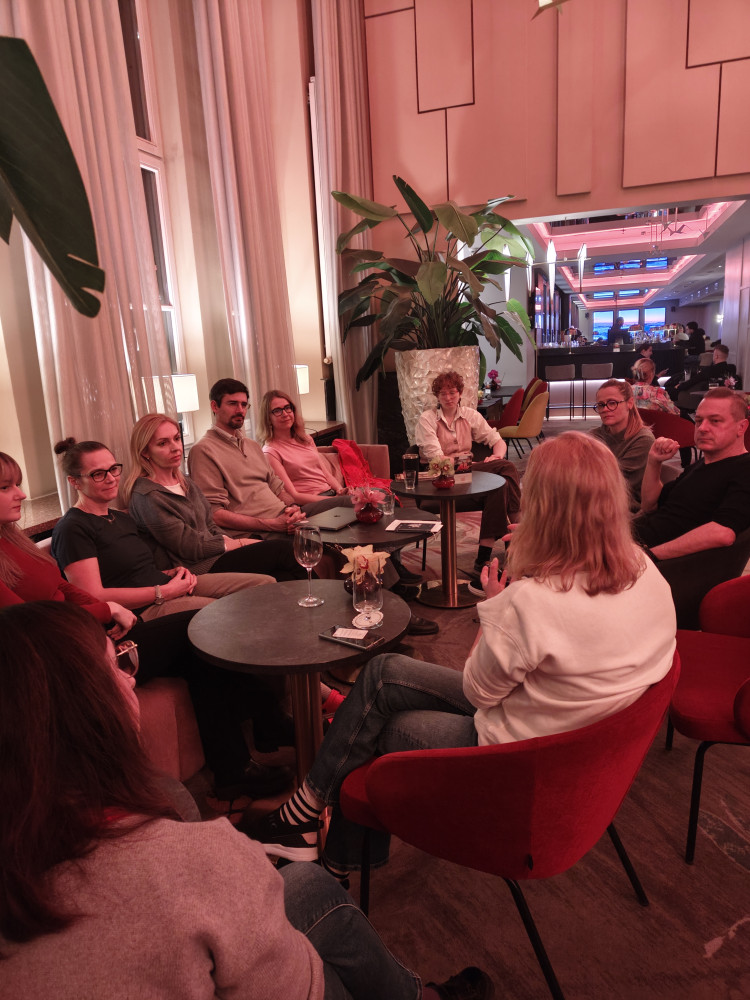
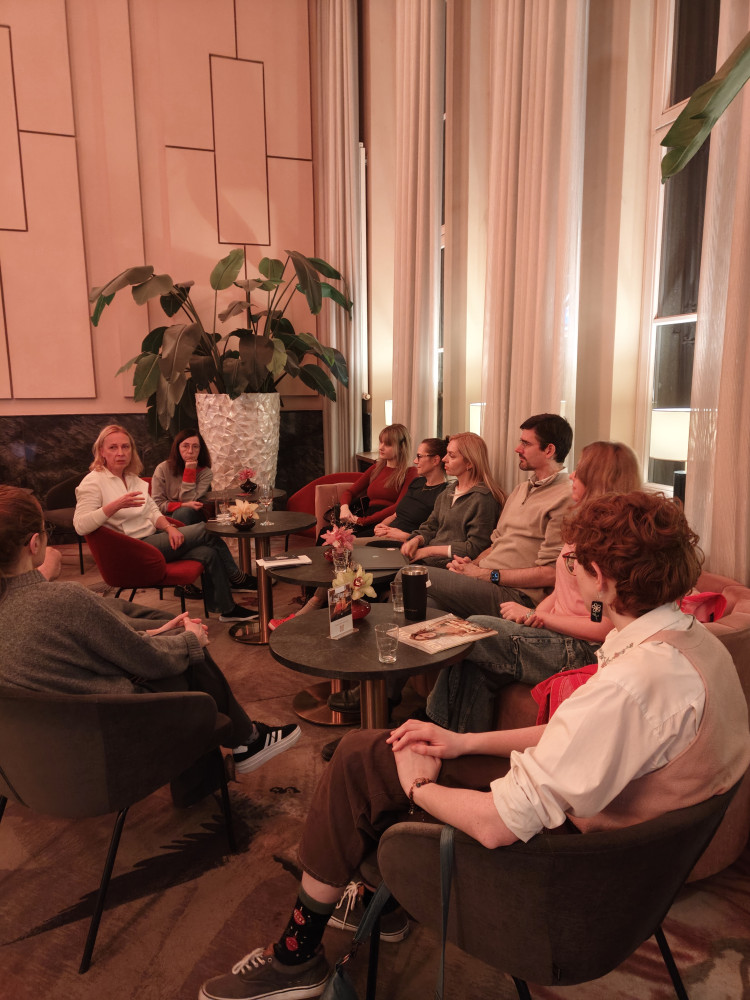
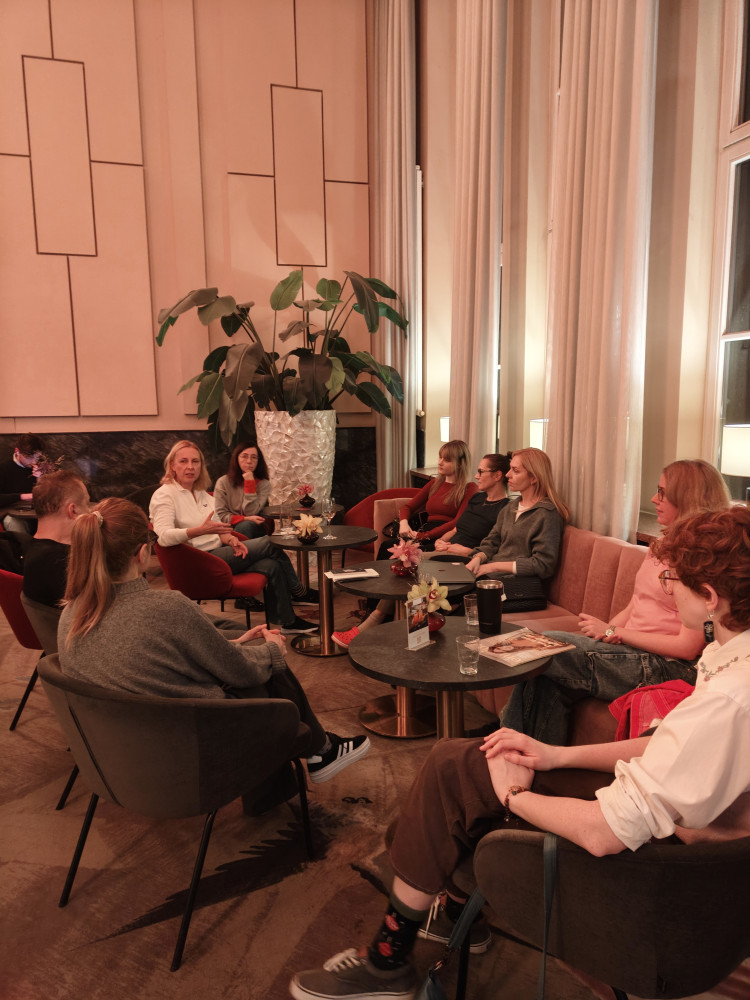
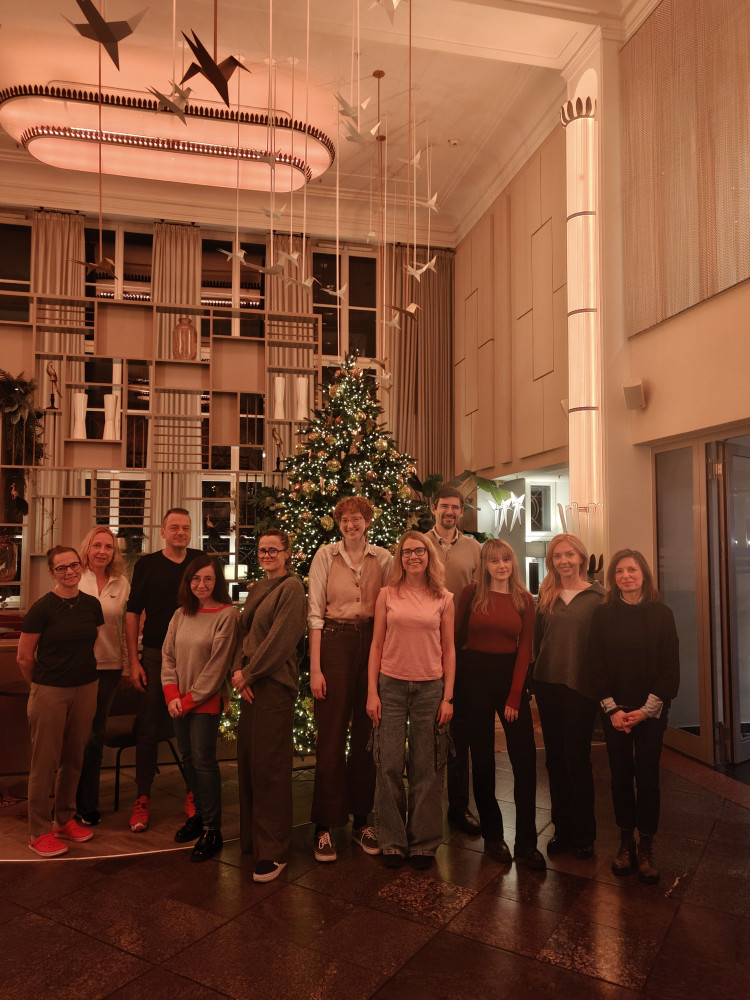
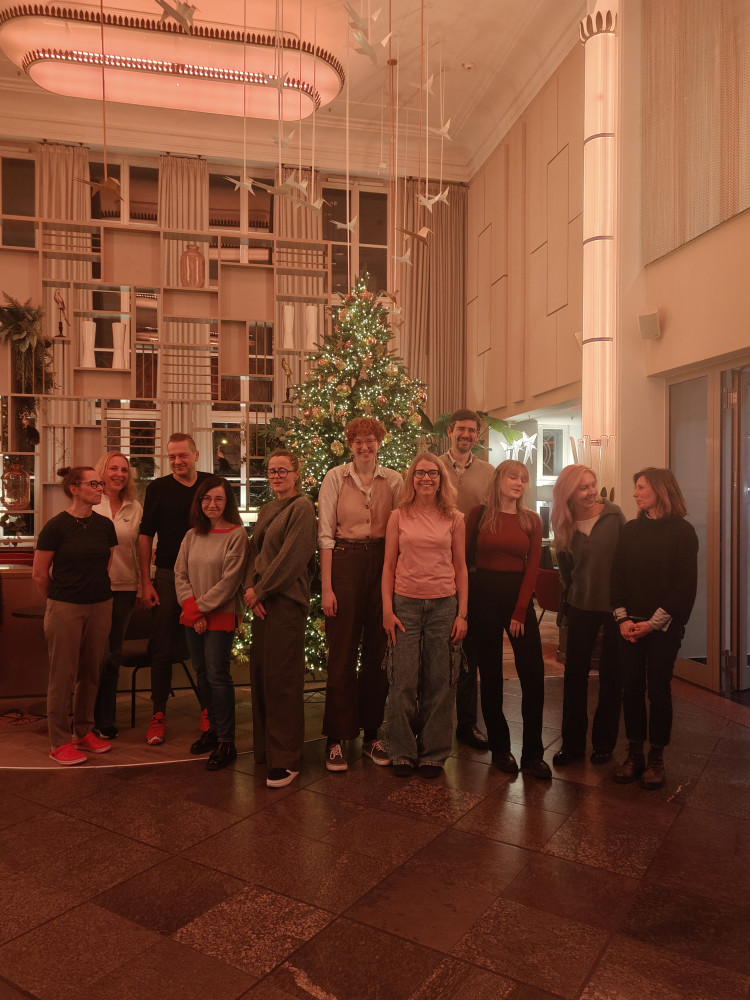
The project team traveled to Berlin to do the field research. Participants arrived at the hotel in Berlin at about 3 PM. The sojourn started with a briefing session at 3:30 PM (organizational issues, project goals, data collection, data sharing). Participants pursued their objectives individually, heading to earlier selected areas. December 14, a full day of research work. At 7 PM, the team met at the hotel lobby to discuss research findings, share experiences and socialize. Everybody confirmed that the collected data seemed promising and compatible with the research objectives. Some continued their research the following day before the traveling back home.
January 26, 2026
An online team meeting on MS Teams to discuss tentative findings and hypotheses based on data collected in Berlin, followed by discussion, recommendations and suggestions of other participants. Data sharing and mutual inspirations were very fruitful for research projects. The meeting lasted from 7 to 9 PM. Additionally, the dates of the Warsaw field research trip were confirmed.
April 11- 13, 2026
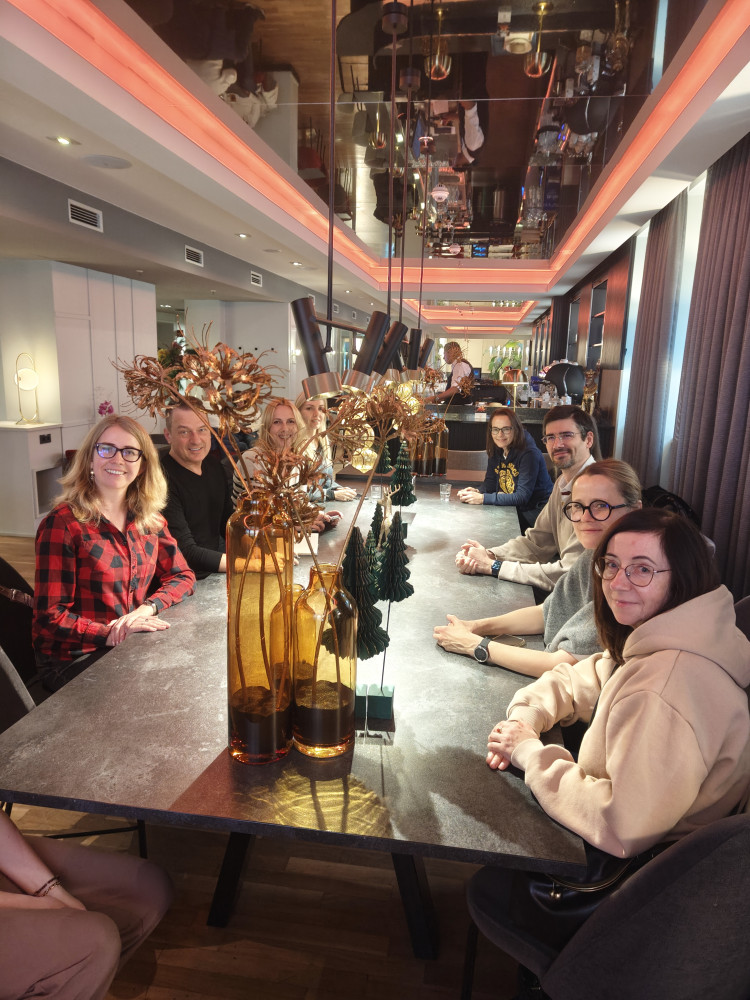
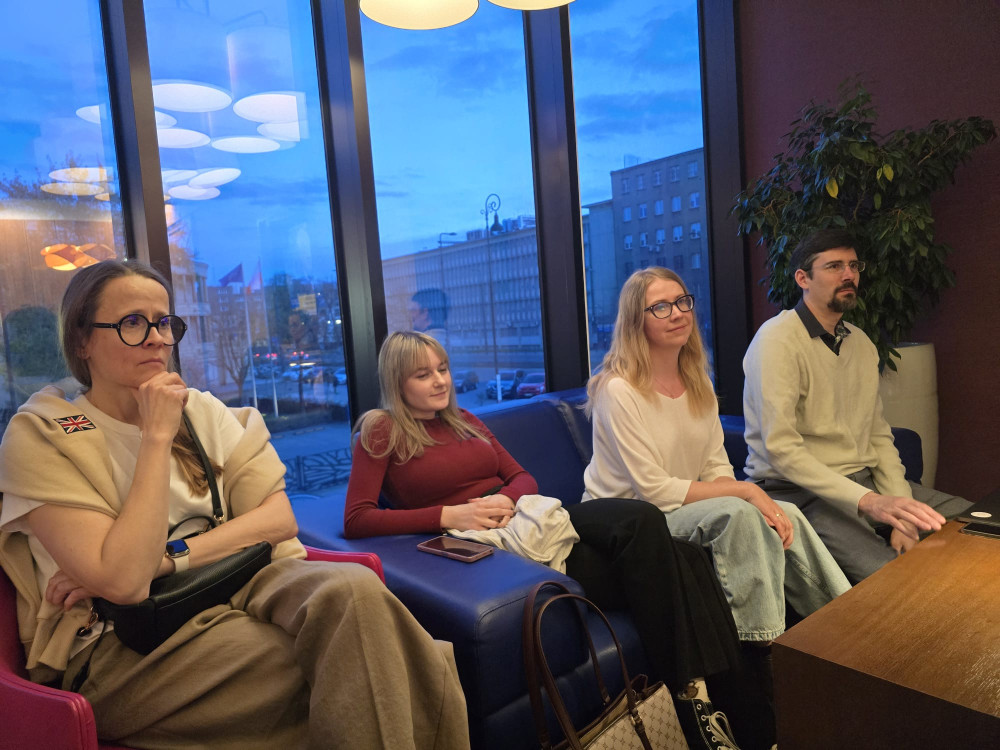
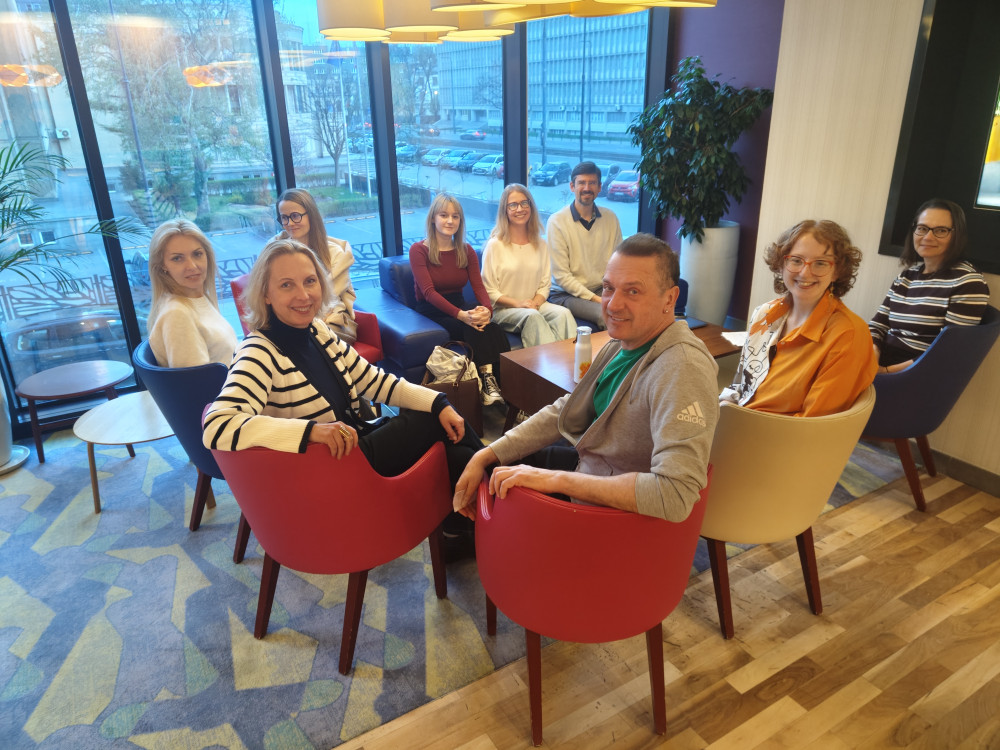
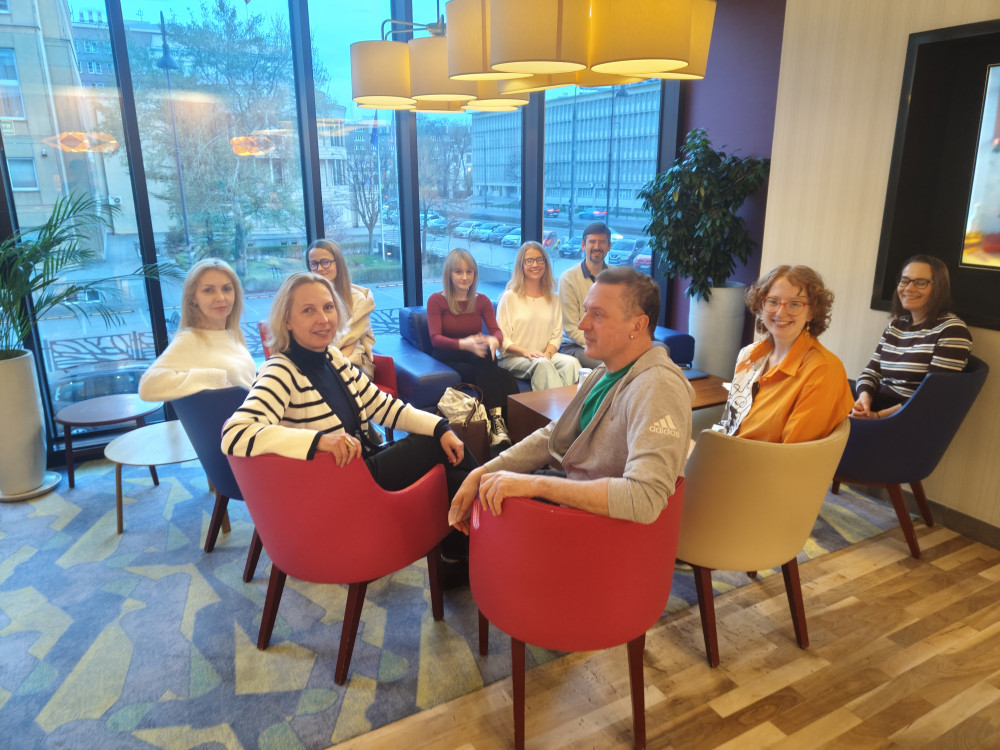
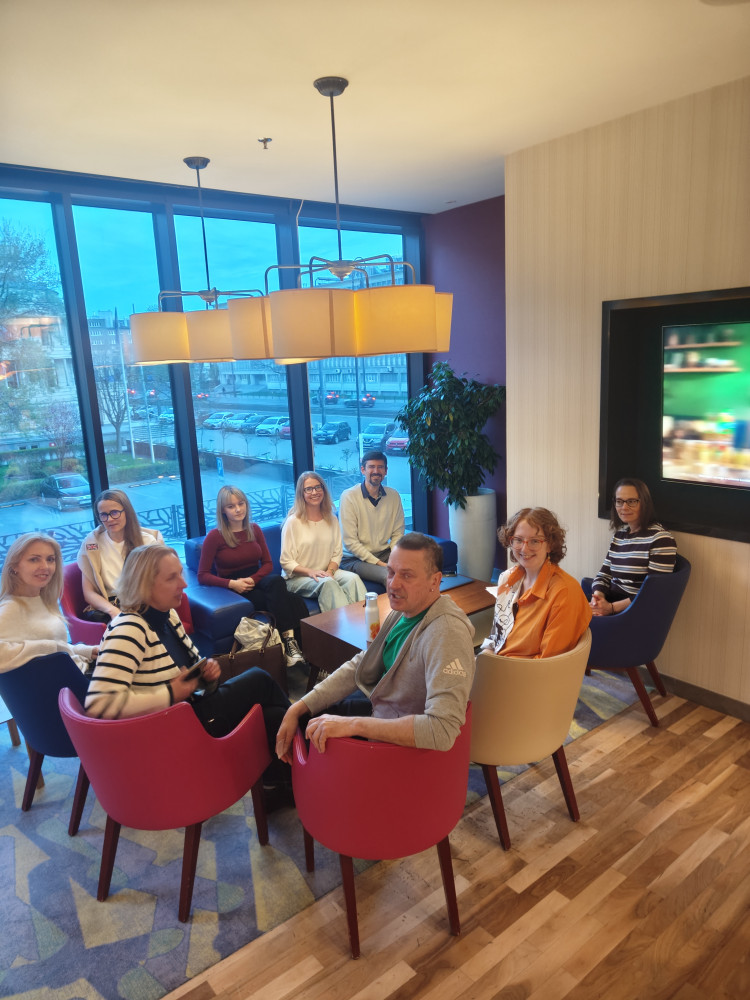
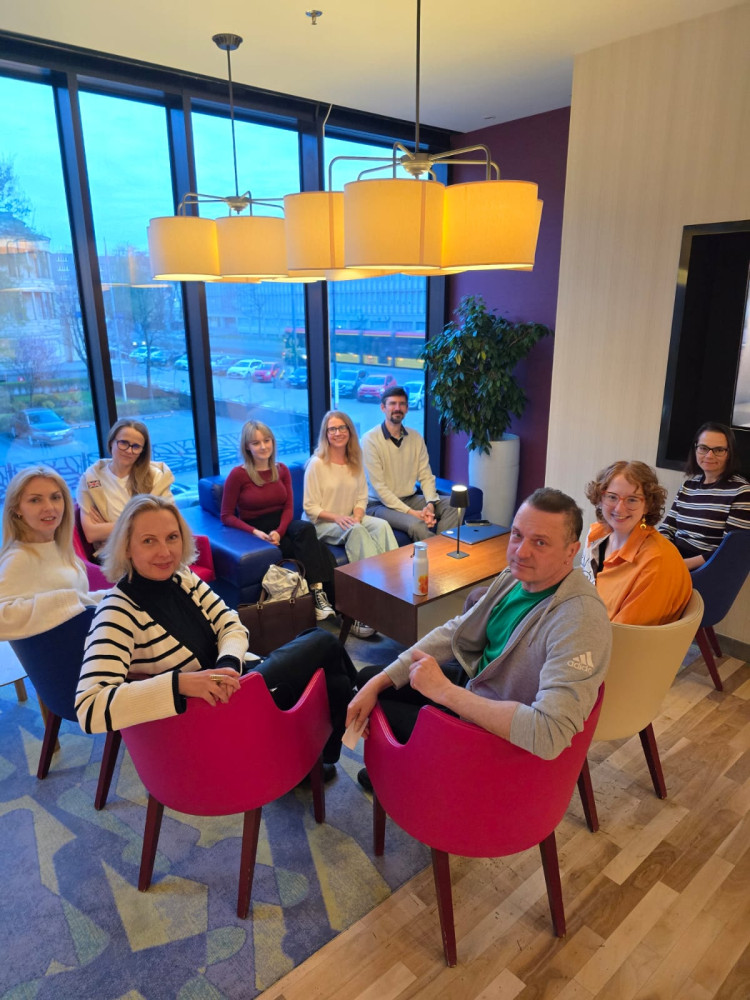
A research trip to Warsaw. Project participants appeared at the hotel in the Warsaw city center at about 2 PM. After a short briefing session, the team scattered to follow their own agenda. The day of May 12th ended with a meeting at the hotel lobby to share experiences and discuss research findings, and relate them to the ones gathered in Berlin. Again, the Project manager reminded the team to analyze their finding in reference to issues of globalization, social justice, intercultural reconciliation and sustainable development.
May 6, 2026
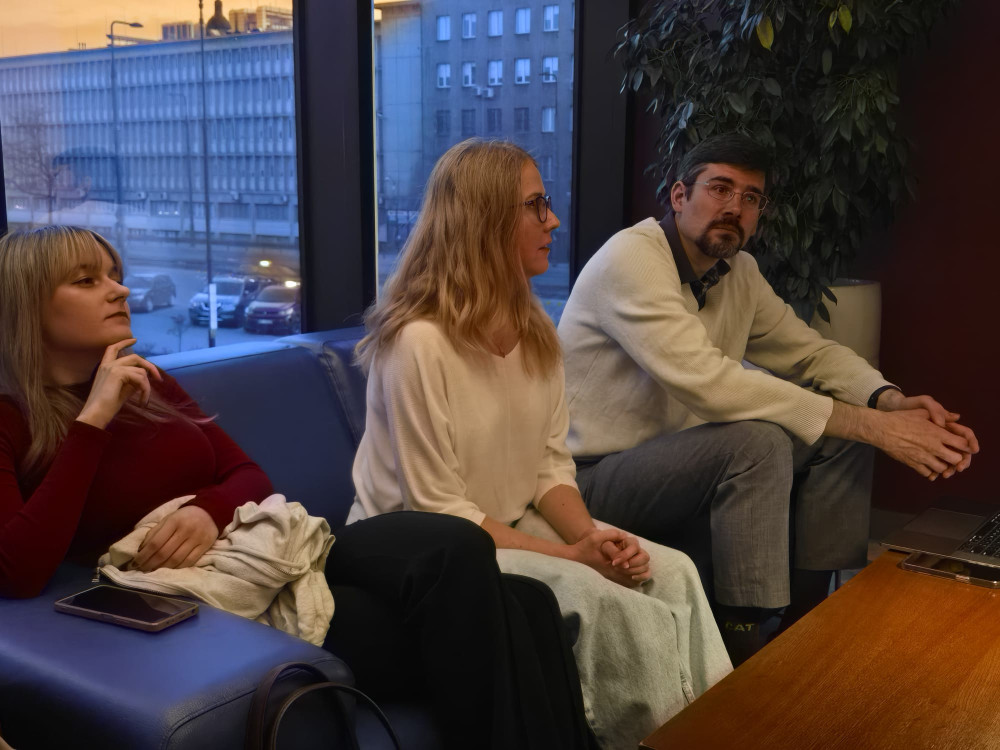
A brief online team meeting was held via MS Teams to discuss preliminary results from fieldwork in Warsaw and compare them with data obtained in Berlin. A date convenient for all participants was also set for an online conference to be hosted by the University of Gdańsk.
Tentative themes pursued:
Magdalena Grabowska:
Rituals in the Public Eye: A Discursive Linguistic Landscape Study of Religious and Secular Practices in Berlin and Warsaw.
Hadrian Lankiewicz:
Global Agenda (2030) in the Metropolitan Landscape: Between the Center and Periphery.
Emilia Wąsikiewicz-Firlej:
Post-Communist Heritage in the Linguistic Landscape of Berlin and Warsaw: A Comparative Study.
Jakob Leimgruber:
The Semiotics of Food Courts in Berlin and Warsaw.
Julia Kaczorek:
Representations of Women in Urban Linguistic Landscapes: A Comparative Study of Warsaw and Berlin
Anna Szczepaniak-Kozak:
Visual Expressions of Banal Nationalism: Political Graffiti and Everyday Boundaries of Belonging in Berlin and Warszawa.
Riley Porter:
Queering Berlin and Warsaw: Exploring the Linguistic Landscapes of Queer Neighbourhoods of Capital Cit-ies.
Jolanta Hinc:
Accessibility in Cultural Institutions: A Comparative Study of the Old Galley in Berlin and the National Museum in Warsaw
Karolina Rudnicka:
Linguistic landscape of the zoological gardens of Warsaw and Berlin: signage and representation
Małgorzata Godlewska:
Healthscape discourse as part of the linguistic landscape of Berlin and Warsaw
To be continued...
An online conference based on an academic project in the area of Linguistic Landscapes
Berlin-Warsaw: What do the linguistic landscapes of the metropolis communicate?
Gdańsk, University of Gdańsk
June 8th 2026
Link do konferencji: https://teams.microsoft.com/meet/379761376057668?p=BuFXO81s0AUKpJWGTb
Project Website:
Conference Programme
11:00 Jakob Leimgruber & Hadrian Lankiewicz
Welcome and project presentation
11:15 Grzegorz Lisek
Karlovy Vary and its linguistic landscape
11:30 Jakob Leimgruber
The Semiotics of Food Courts in Berlin and Warsaw
11:45 Anna Szczepaniak-Kozak
What do streets fight against? — Visual resistance and social activism in Berlin and Warsaw
12:00 Discussion
12:15 Magdalena Grabowska
Signs of belonging: Migrant ritual interfaces in the linguistic landscapes of Berlin and Warsaw
12:30 Emilia Wąsikiewicz-Firlej
Post-Communist Heritage in the Linguistic Landscape of Berlin and Warsaw: A Comparative Study.
12:45 Karolina Rudnicka
Linguistic landscape of the zoological gardens of Warsaw and Berlin: signage and representation
13:00 Małgorzata Godlewska
Healthscape discourse as part of the linguistic landscape of Berlin and Warsaw
13:15 Discussion
13:30 Julia Kaczorek
Representations of Women in Urban Linguistic Landscapes: A Comparative Study of Warsaw and Berlin
13:45 Riley Porter
Queering Berlin and Warsaw: Exploring the Linguistic Landscapes of Queer Neighbourhoods of Capital Cities.
14:00 Jolanta Hinc
Accessibility in Cultural Institutions: A Comparative Study of the Old Galley in Berlin and the National Museum in Warsaw
14:15 Hadrian Lankiewicz
Global Agenda (2030) in the Metropolitan Landscape: Between the Center and Periphery.
14:30 Discussion
14:45 Conference closing
We invite everyone to participate as a listener or discussant. The event is absolutely free of charge.
Konferencja
| Załącznik | Size |
|---|---|
| conference-programme.docx | 17.14 KB |